



Isle of Skye
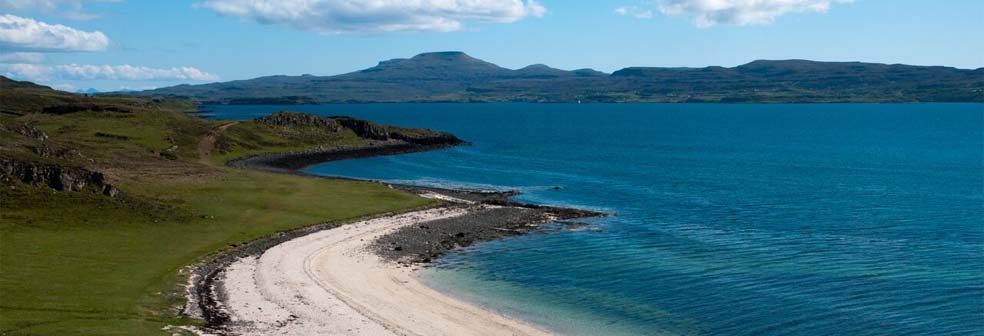
Skye is surely the best known and most emotive of all Scottish islands and is steeped in romance and history. It is a mecca for climbers, walkers and sailors amidst breath taking scenery with a wide variety of rare wildlife in its own mild microclimate.
Isle of Skye Self Catering Cottages
The Black Barn
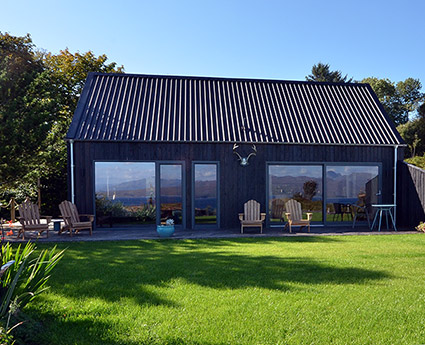

From £595 to £895
- Sleeps: 2
- Bedrooms: 1
- Pets: No


 Last Minute - w/c 27 Apr 24
 Skylark Cottage
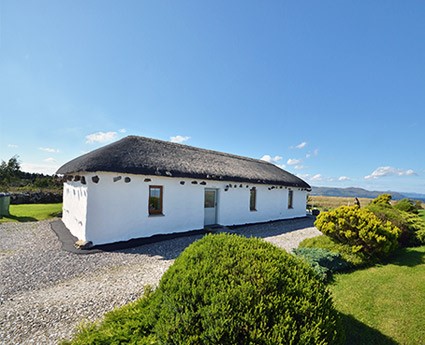

The Hillside Hideaway
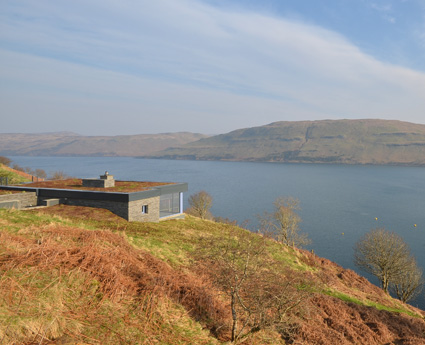

From £695 to £1295
- Sleeps: 2
- Bedrooms: 1
- Pets: No

 Last Minute - w/c 27 Apr 24
 Aird Sleimhe
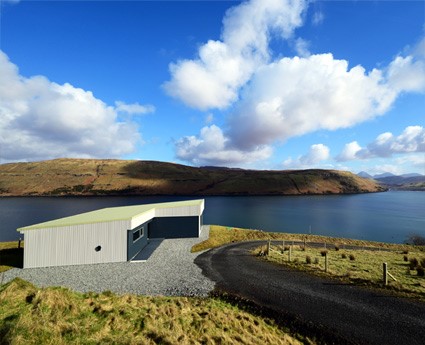

From £695 to £1295
- Sleeps: 2
- Bedrooms: 1
- Pets: No
Last Minute - w/c 27 Apr 24 Melrose Cottage
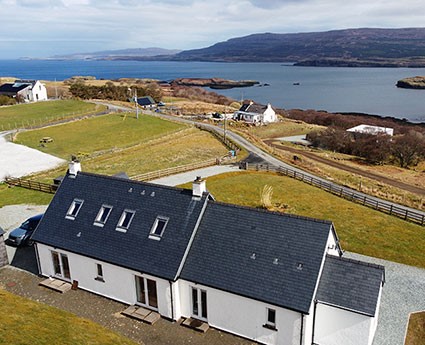

Tigh Fraoich
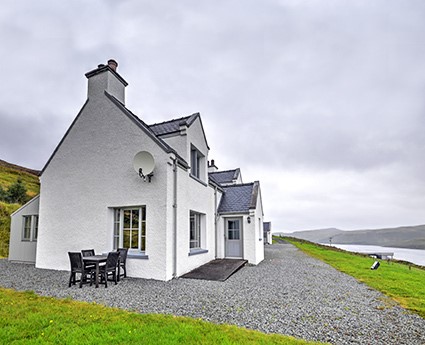
Adhair-Mara
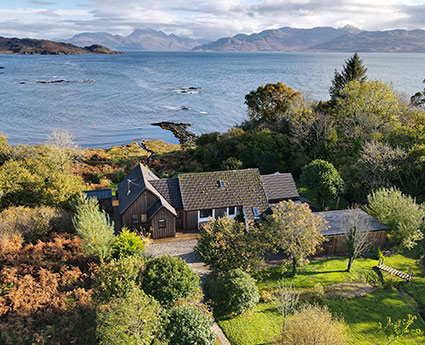


From £1295 to £1895
- Sleeps: 2/4
- Bedrooms: 2
- Pets: Yes (2)

Heatherbell
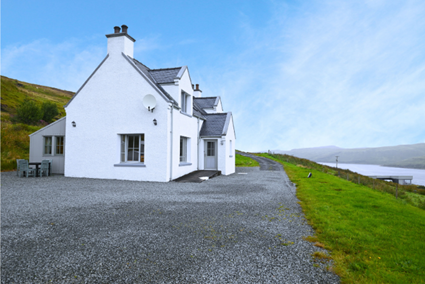

Mag Findargat
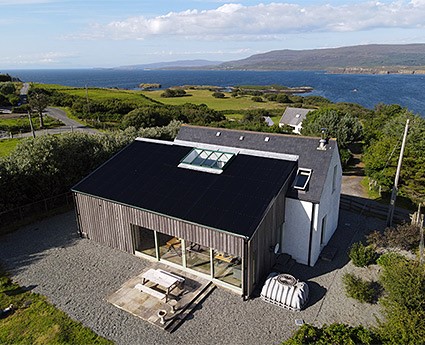

An Sealladh
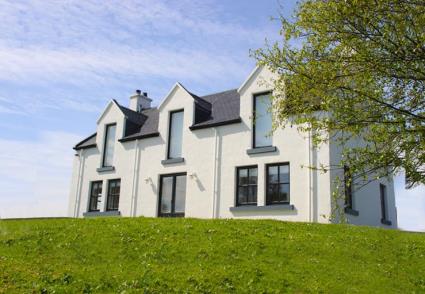

From £1045 to £2395
- Sleeps: 2/6
- Bedrooms: 4
- Pets: Yes (2)
An Enchanting Island
There is so much to do here. You can climb in the Cuillins, go whale spotting, visit the otter hides, picnic on the machair, visit historic Dunvegan Castle or Flora Macdonald's home at Flodigarry or enjoy a meal at one of the acclaimed eating establishments.
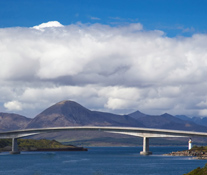
Access to the island is via the A87 over the Skye Bridge (the bridge replaced the ferry from Kyle of Lochalsh to Kyleakin, the former home of the author Gavin Maxwell, where the Gavin Maxwell Longroom Museum and the Bright Water Visitor Centre are situated). There is also a car ferry crossing from Glenelg to Kylerhea where there is an otter hide.
There are ferries from Mallaig to Armadale in south-eastern Skye where there is the excellent Armadale Castle Gardens and the Museum of the Isles (set within the partly ruined Armadale Castle, former seat of the MacDonalds of Sleat) which is most informative about the clans and the Clearances.
The views of the mountains between Broadford on the east coast and Elgol on the west coast are magnificent and there are boat trips from Elgol to the remote Loch na Cuilce to view the seals, otters and porpoises. To the west is the Talisker Distillery near Carbost where there is a wonderful sandy bay.
Lots to see and do
Portree is the main settlement on Skye - its attractions include the Aros Experience which includes CCTV coverage of nesting eagles, a theatre and cinema, an art centre and wildlife boat trips and the Isle of Skye Highland Games are held in the town in August.
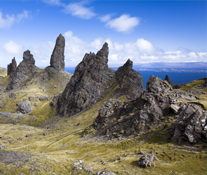
The Trotternish Peninsula north of Portree has magnificent scenery, including various geological features such as the Old Man of Storr, Kilt Rock, Quiraing and the Needle.
Visitors are also attracted to Kilmuir for the Skye Museum of Island Life and Macurdie's Exhibition. The area also provides opportunities for windsurfing, archery and kayaking.
-
No. of cottages found
29

 INDEPENDENT FEEDBACK
